Before you come
If you plan to claim on private health insurance, check your policy first: your level of cover, and whether your insurer needs a GP or specialist referral before treatment. Receipts and invoices can be provided for reimbursement claims.
Wear something you can move in.
The first sixty minutes
The initial consultation is 60 minutes and covers assessment and treatment.
Talking first. It starts with questions: your problem, your general health, any other care you are having and any medicine you take. It all goes in your notes, and your notes are confidential.
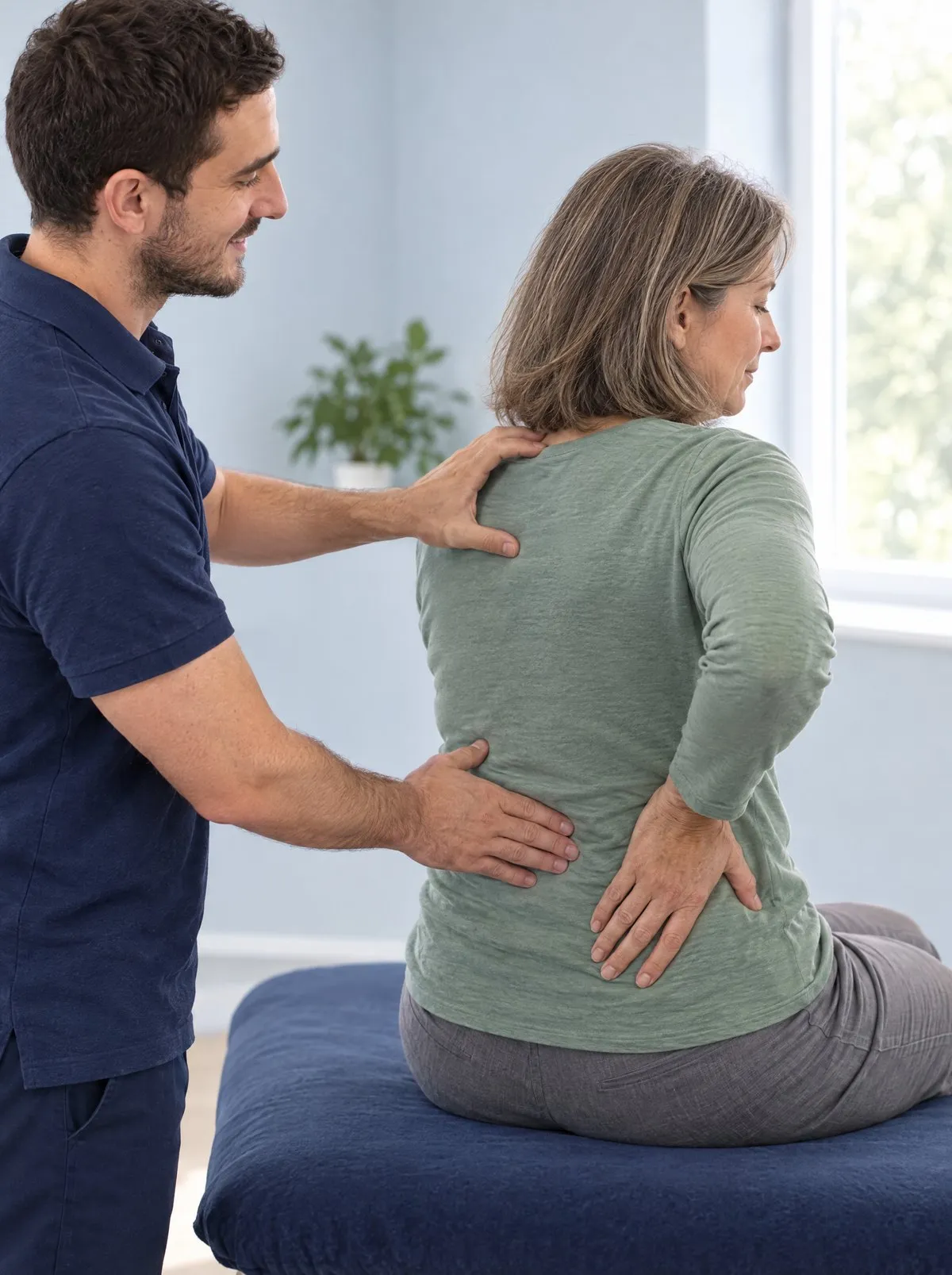
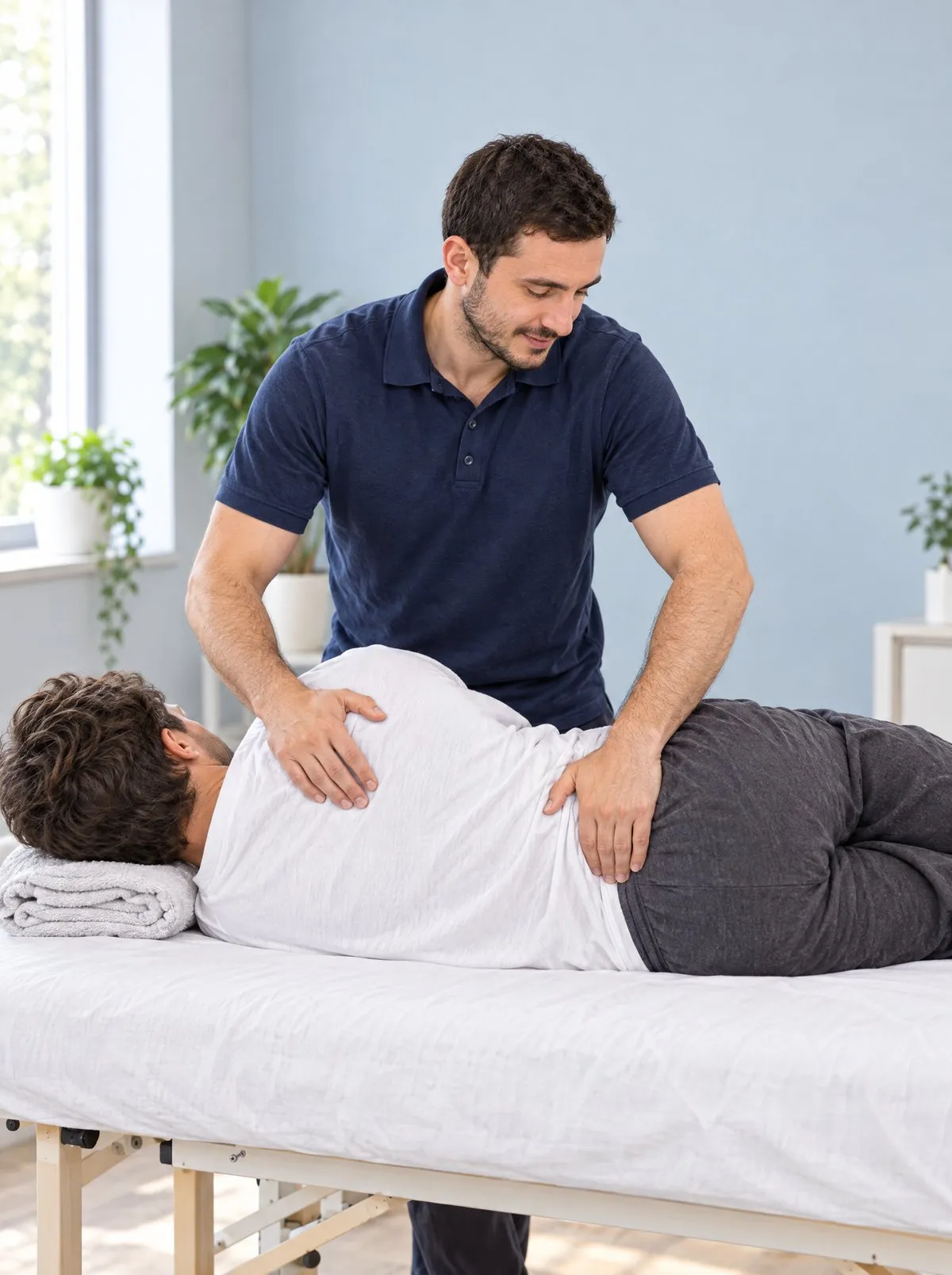
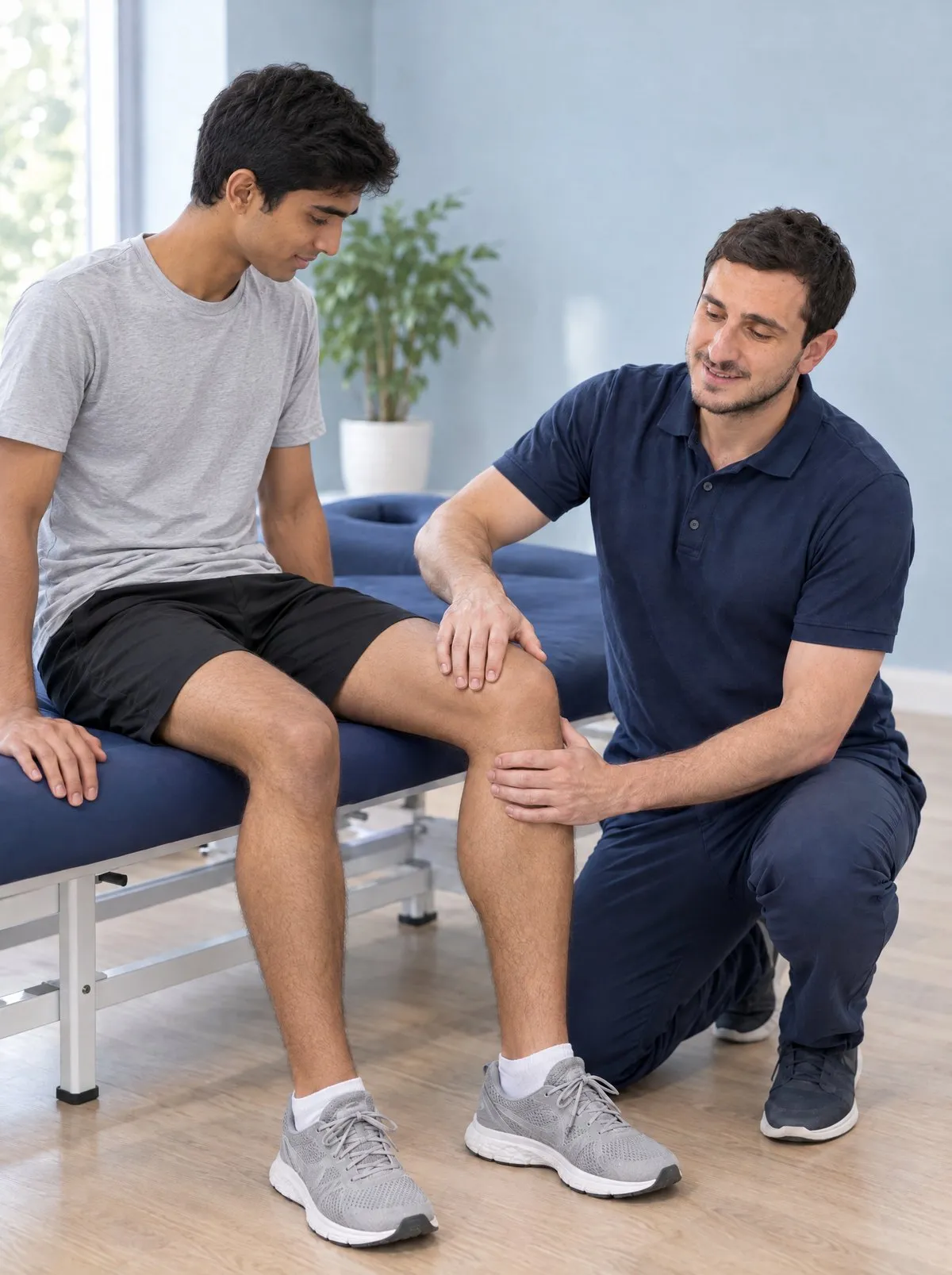
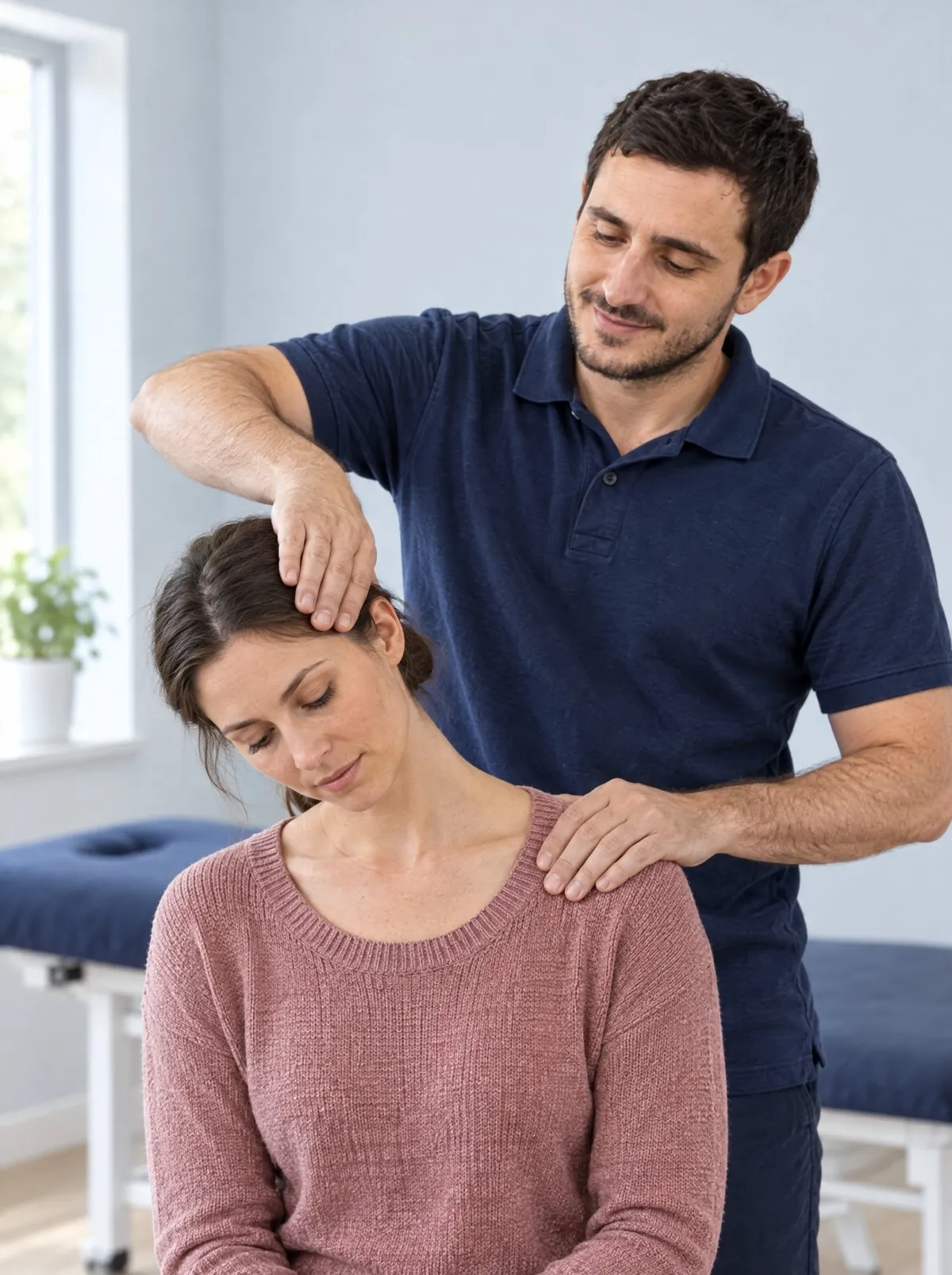
Then looking and feeling. You will be asked to do some simple movements and stretches, so your posture and mobility can be seen, and the joints, muscles and tissues are examined by hand. The examination is explained before it starts. You will probably be asked to remove or adjust some clothing. If that makes you uncomfortable, say so. The regulator says to expect privacy to undress, and a gown or towel.
What it means. After the examination you get a clear explanation of what was found and what is recommended, including the benefits and the risks. Nothing starts without your permission, and you can stop at any point.
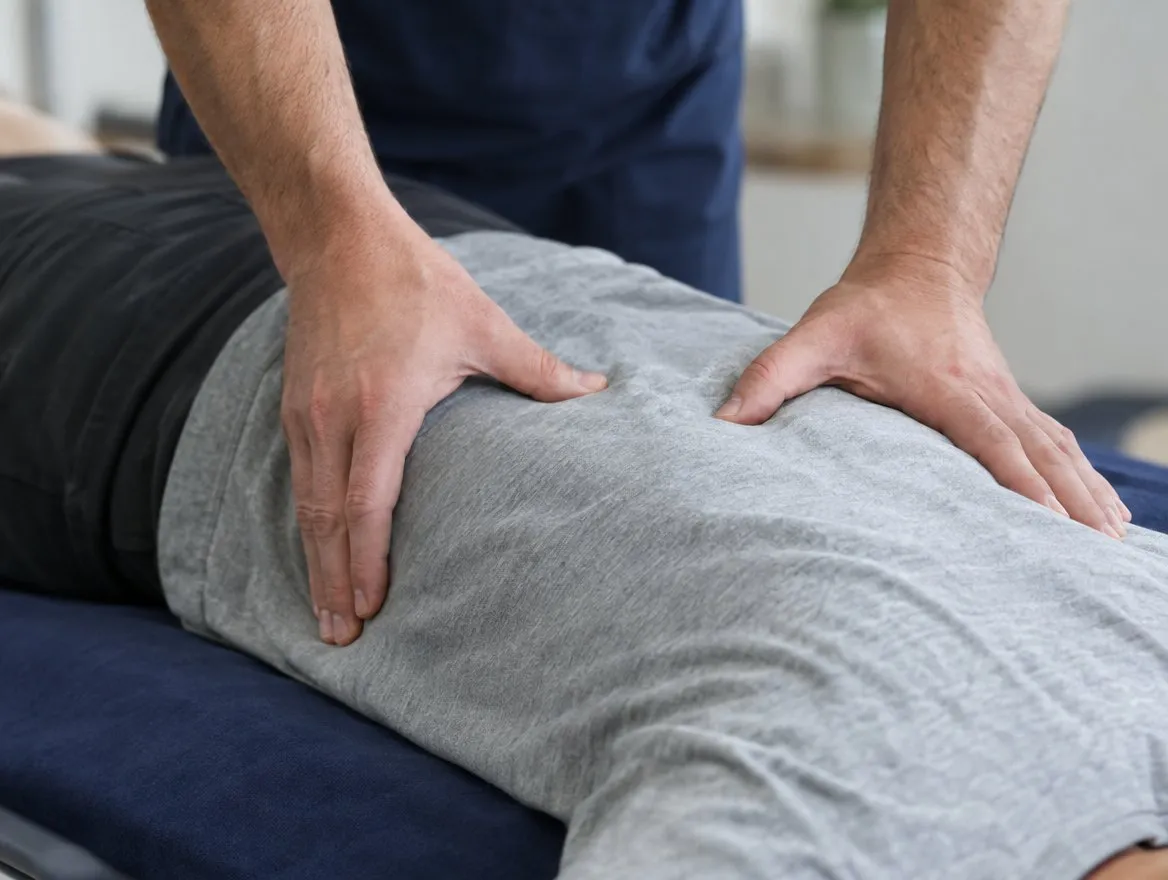
Treatment. The initial consultation includes treatment. The first stage of the approach, assess and relieve, is to find what is driving the pain and settle it with hands-on treatment. The regulator describes osteopathic treatment as hands-on, using touch, stretching, massage and manipulation, aimed at improving movement and reducing pain, with advice on posture and exercise.
Afterwards
It is not unusual to feel mildly sore in the first day or two after hands-on treatment. That normally goes within 48 hours. If anything worries you, get in touch.
Everyone is different, so the number of sessions will depend on your symptoms, their duration and what you hope to achieve. After your first appointment, a realistic estimate of the sessions you may need will be provided. Progress is reviewed at every visit.
When a doctor needs to be involved
Part of the assessment is checking for signs of serious conditions an osteopath cannot treat. If your assessment shows you need imaging, an injection or a specialist opinion, I refer you directly to a sports and exercise medicine doctor, and your osteopathic care continues with me. With your permission, a report can go to your GP.
The NHS says osteopathy may not be safe for you if you take blood-thinning medicines or are at increased risk of bleeding or stroke, if you have bones or joints that are very weak or seriously damaged, or if you have a condition affecting your nerves.
Checking the register
By law, every osteopath practising in the UK must be registered with the General Osteopathic Council, and you can search the register by surname or registration number. Registration means he is a regulated health professional, trained and qualified, who must hold professional indemnity insurance.
Check the GOsC register: Ioannis A Rafailidis, registration number 10167.